
Shopify Dynamic Pricing App
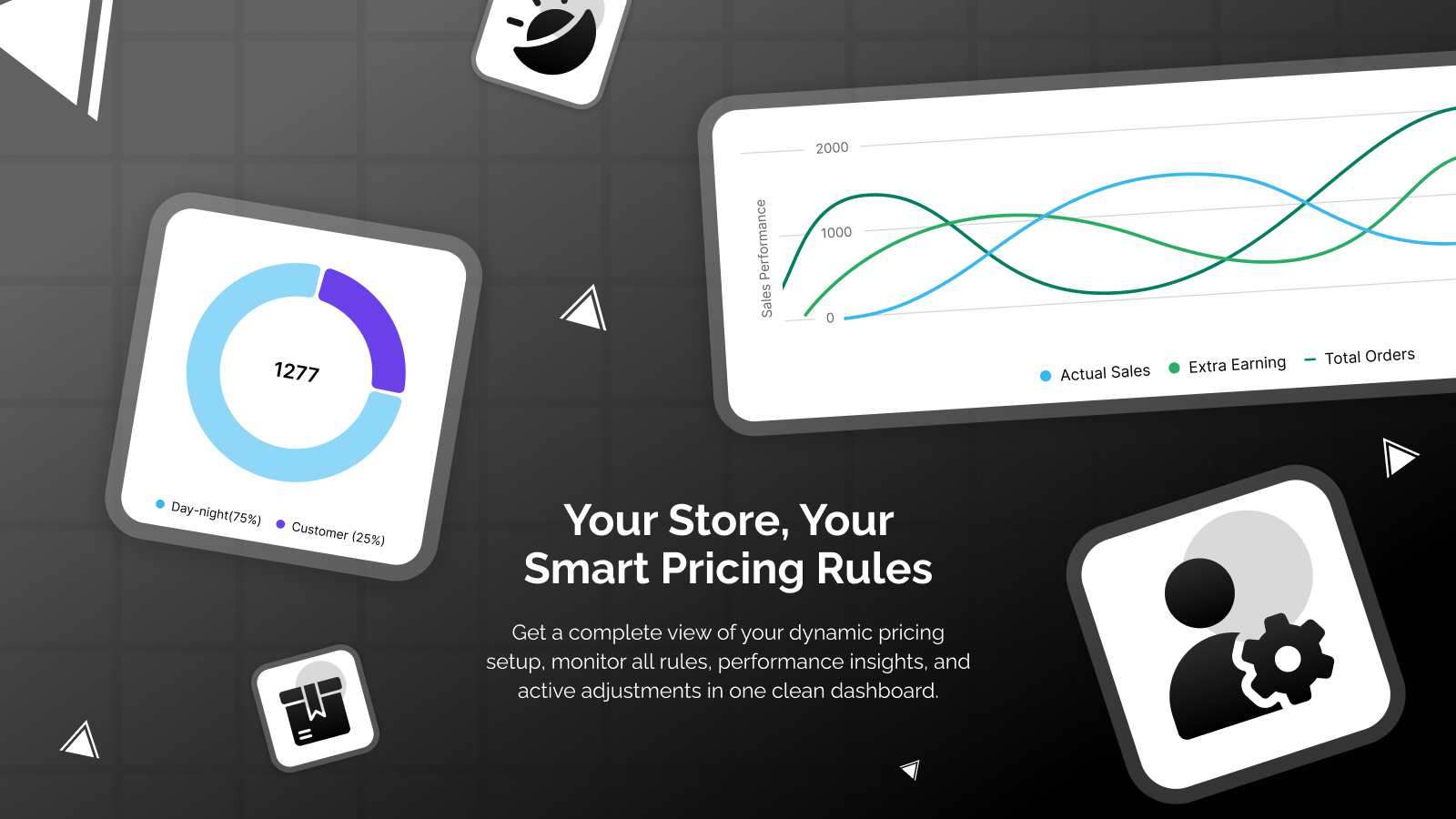
Give your Shopify store more control over pricing with a flexible dynamic pricing solution from Lumoonix. Create pricing logic around customer, order, inventory, location, device, and time-based conditions while keeping your merchandising strategy aligned with how your business actually sells.


What Is Shopify Dynamic Pricing?
Shopify dynamic pricing is the practice of adjusting product prices or pricing behavior based on defined business conditions. Instead of applying one fixed pricing rule to every shopper, merchants can create logic that responds to customer attributes, purchasing history, geography, inventory, timing, or other store signals. The goal is not simply to change prices more often; it is to make pricing more relevant to the commercial strategy of the store.
Why Merchants Use Dynamic Pricing
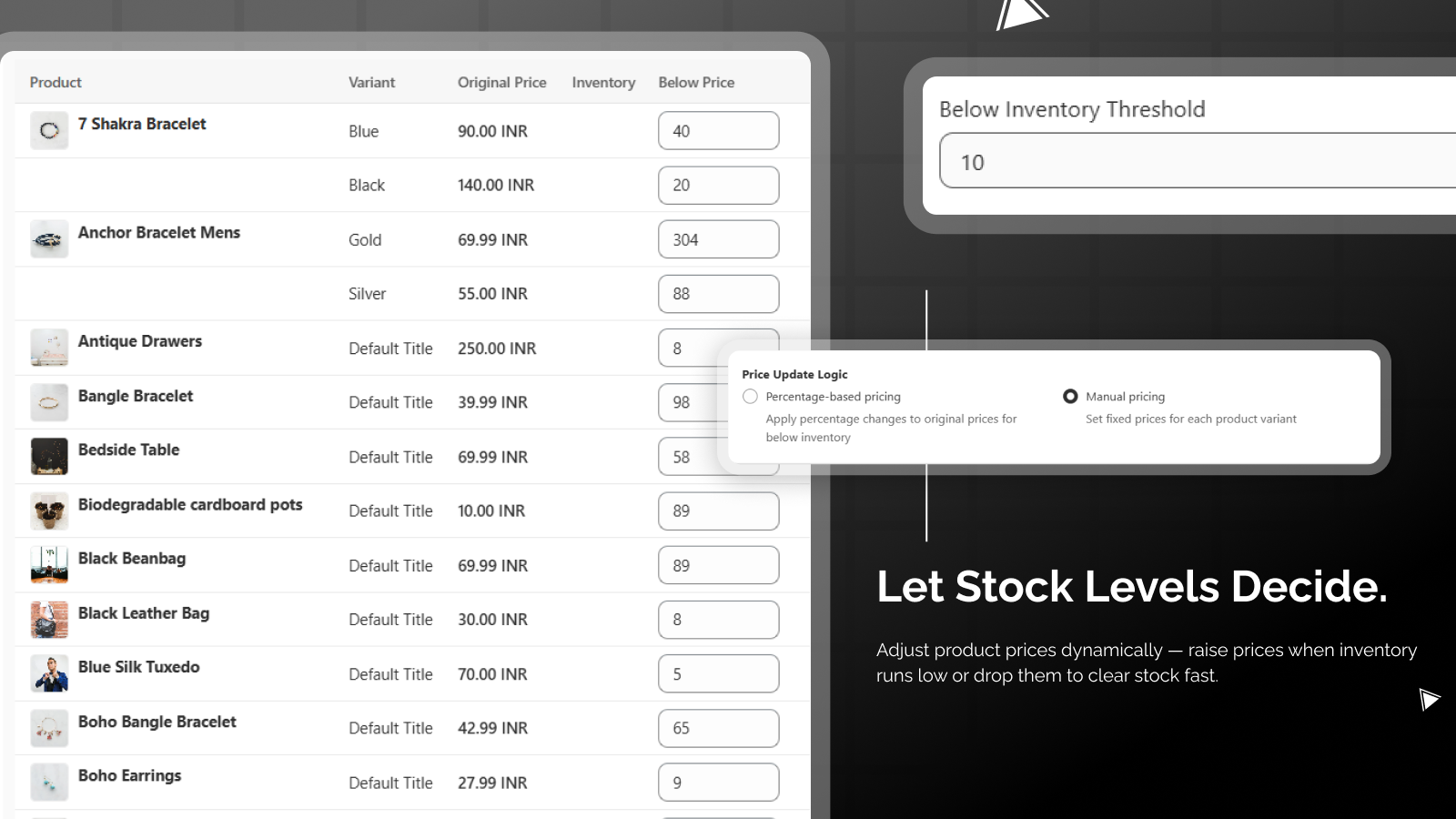
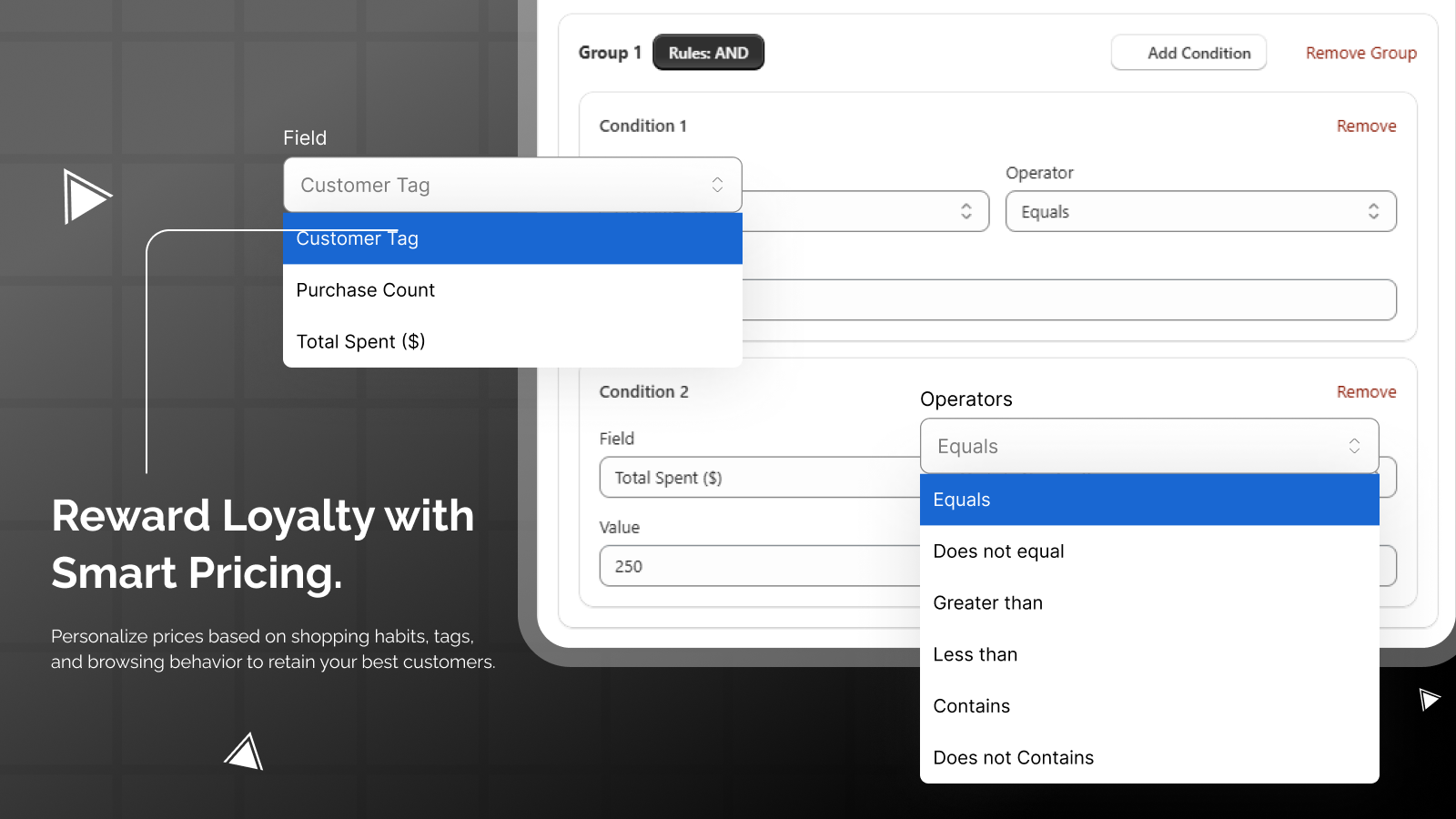
Different customers and selling situations can require different commercial treatment. A store may want to reward loyal customers, create rules for specific customer tags, respond to inventory conditions, or tailor pricing for different regions. Dynamic pricing can reduce manual work and help merchants implement repeatable pricing policies instead of managing exceptions product by product.
See LM ‑ Dynamic Pricing in Action
Screenshots from the app's Shopify App Store listing.
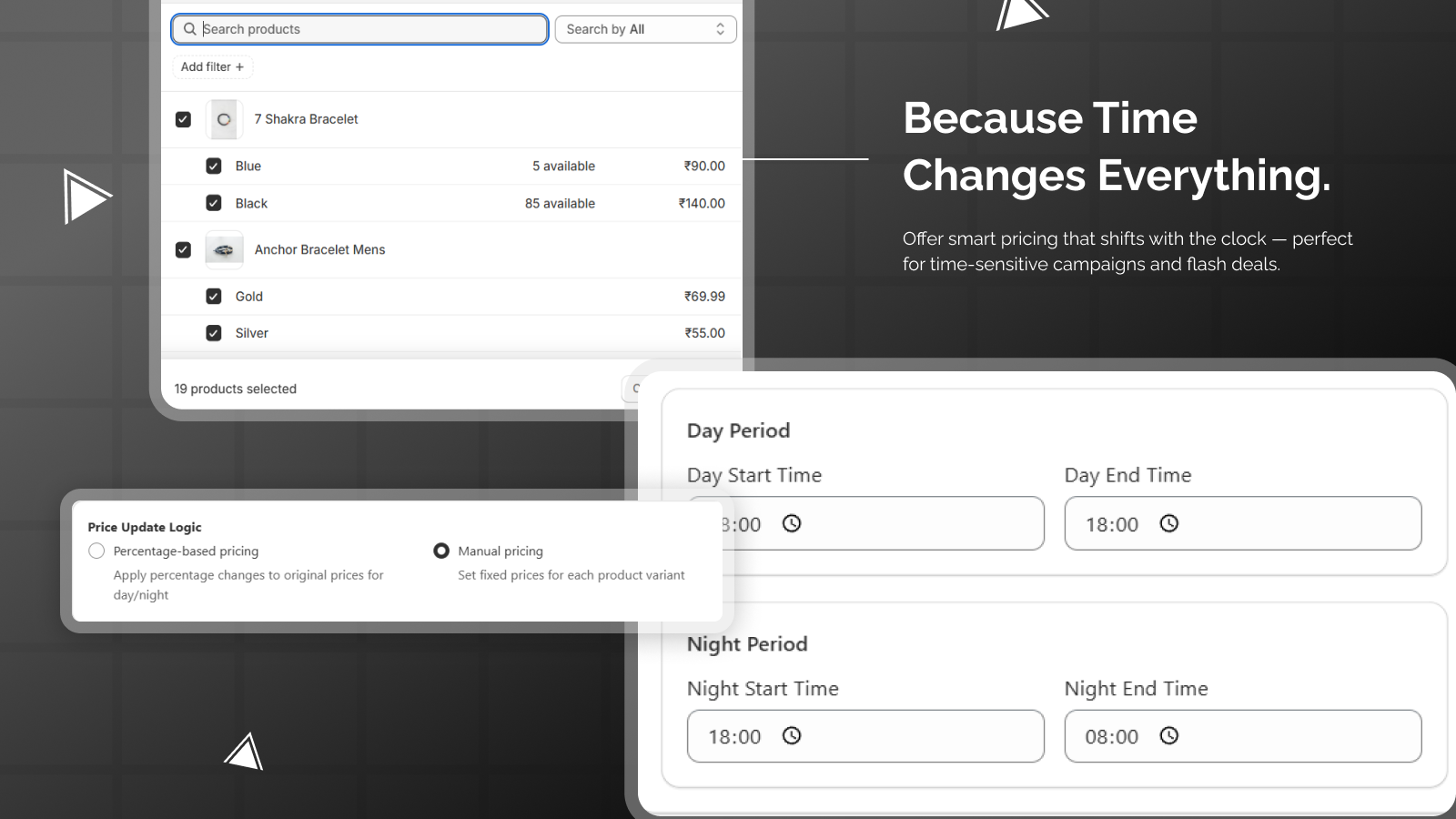
Pricing Rules, Use Cases & Setup
Pricing Rules and Conditions
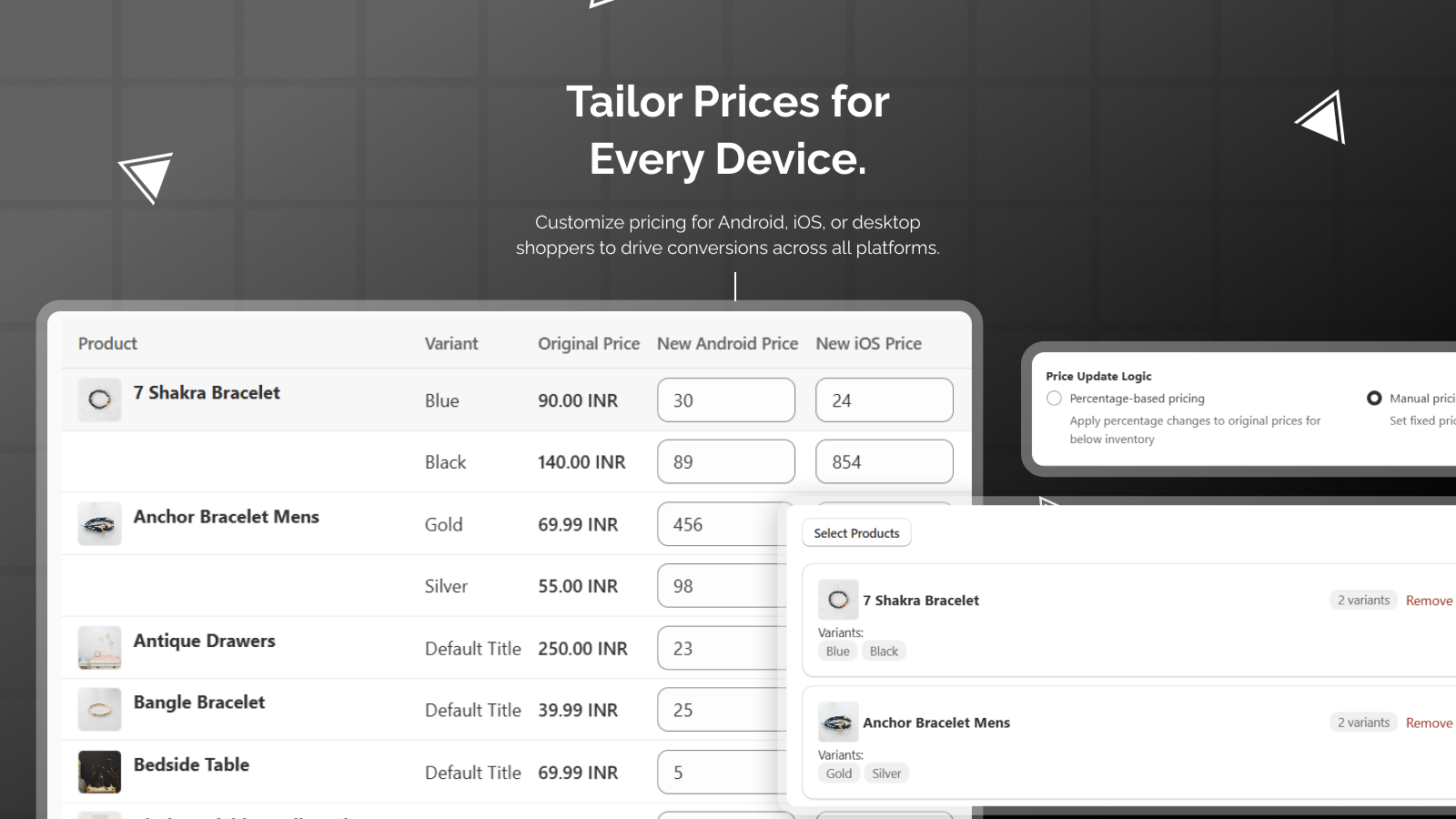
The Lumoonix Dynamic Pricing solution is built around practical rule types. Depending on the current app configuration and plan, supported conditions can include country or state, customer tag, total spent, order history, stock, device, and time. These conditions allow merchants to define a pricing strategy that reflects real business rules. Always verify the current supported rule matrix and plan limitations before configuring production pricing.
Dynamic Pricing Use Cases
Common use cases include customer-specific pricing, regional pricing logic, loyalty-based offers, inventory-sensitive pricing, time-based promotions, and device-specific merchandising. For example, a merchant could create a rule for a customer segment based on a tag, or build a time-sensitive pricing rule for a defined sales period. The right configuration depends on the store's product catalog, customer model, margins, and operational processes.
Dynamic Pricing vs Manual Discounts
Manual discount codes are useful for straightforward promotions, but they can become difficult to manage when the rules depend on multiple conditions. Dynamic pricing can provide a more systematic approach by applying predefined logic. It should not replace every discount strategy, however. Merchants should compare the customer experience, operational complexity, reporting requirements, and margin impact before deciding which mechanism to use.
Built for Shopify Merchants
The app is intended to help merchants implement pricing logic without turning every change into a custom development project. A focused configuration interface can make repeatable rules easier to manage and reduce dependence on manual storefront changes. For advanced requirements, Lumoonix can also help evaluate whether a custom Shopify development or integration approach is more appropriate.
Implementation and Testing
Pricing is a high-impact part of an eCommerce site, so implementation should be tested carefully. Start with a defined rule, expected outcome, affected products or customers, and a rollback plan. Test logged-in and logged-out states, mobile and desktop experiences, relevant markets, cart behavior, and edge cases. Review how rules interact with other promotions and apps before moving them into production.
Performance and Store Experience
Pricing functionality should work without creating unnecessary friction for shoppers. Merchants should monitor storefront performance, pricing consistency, and customer clarity after implementation. If multiple apps influence product or cart behavior, review the overall stack rather than assessing one app in isolation.
Get Started
Review the current app listing, supported rule types, pricing, and setup requirements before installation. If you need help mapping business rules to a Shopify implementation, Lumoonix can help translate your requirements into a practical configuration or custom development plan.
Plan It Right
Dynamic Pricing Implementation Checklist
A strong dynamic pricing implementation starts with a pricing policy rather than an app setting. Define the customer or store condition, the expected price, the affected products, the start and end conditions, and what should happen when multiple rules could apply. Map each rule to a real business reason and calculate the potential margin impact. Test common and edge cases before launch, including customers who match multiple attributes, products with low inventory, different markets, mobile shoppers, and customers moving between product and cart pages. Document the rules so your merchandising team can understand and maintain them. Finally, monitor pricing consistency and sales performance after release. If the business logic becomes too complex for a standard rule set, reassess whether custom development is a better long-term solution.
Who Benefits From Dynamic Pricing
Dynamic pricing is particularly relevant for merchants with differentiated customer segments, complex promotional rules, regional requirements, inventory considerations, or pricing policies that change over time. It can also help teams reduce repetitive manual updates when the same commercial logic needs to be applied consistently across a product catalog.
Simple, Transparent Plans
Current plans from the Shopify App Store listing.
Free
- Location-based pricing by country or state
- Customer-based pricing by tags, total spent or order history
- Inventory-based pricing from stock levels
- Device-based pricing for iOS and Android
- Time-based pricing for day, night and weekends
Plans and pricing are managed on the Shopify App Store.
Frequently Asked Questions
What can Shopify dynamic pricing be used for?
Dynamic pricing can support customer-specific, location-based, inventory-sensitive, time-based, and other conditional pricing strategies, depending on the rules supported by the implementation. Merchants should define the exact business logic before configuration and confirm that the required condition types are available on the current plan.
Can dynamic pricing replace discount codes?
Not necessarily. Dynamic pricing and discount codes solve different problems. Dynamic pricing can be useful when the price itself needs to respond to conditions, while discount codes can remain useful for campaigns, attribution, and controlled promotions. Compare the customer experience, reporting needs, and operational requirements before choosing.
Is dynamic pricing safe for an existing store?
It can be, provided the rules are introduced carefully. Start with a limited scope, test expected and unexpected scenarios, check interactions with other pricing tools, and keep a rollback process. Pricing changes can directly affect revenue, so production testing and monitoring are important.
Does dynamic pricing work with customer segments?
Customer-related rules can be useful when the implementation supports customer tags, purchase history, total spend, or other relevant attributes. Confirm the exact available conditions and how they behave for logged-in and guest customers before building a pricing strategy around them.
Can Lumoonix create custom pricing logic?
Yes. If the standard rule set does not cover your business requirements, Lumoonix can assess a custom Shopify development approach, integration, or application. The best solution depends on where the pricing logic needs to run and how it interacts with products, carts, customers, and checkout.
Key Benefits
The biggest benefit of dynamic pricing is consistency. Once a rule is defined correctly, the store can apply the same commercial logic without requiring repetitive manual edits. This can help merchandising teams move faster while keeping pricing decisions aligned with customer segments, inventory, geography, and promotional timing.
Related Resources
Ready to Get Started?
Dynamic pricing works best when it is grounded in a clear commercial strategy. Define the rules, test their interaction with the rest of your store, and monitor the result after launch. If your pricing model is becoming too complex for standard configuration, talk to Lumoonix about a custom Shopify implementation.